
How to Cut Site Downtime Between Pours
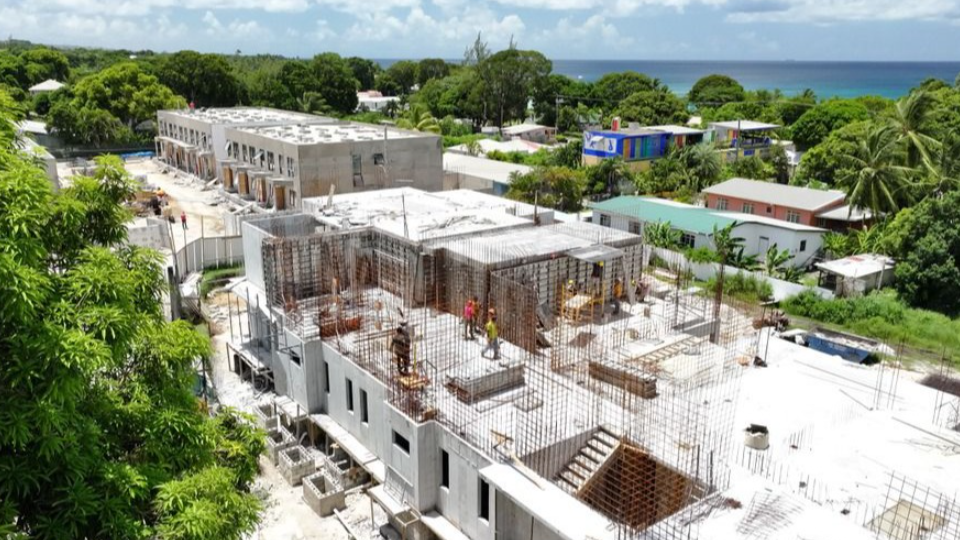
If you’ve ever lost a day on site because the forms weren’t ready, you know how quickly schedules — and budgets — can slip. That downtime between pours is one of the biggest hidden costs on a job. And it usually isn’t the concrete holding you up. It’s everything around it:
- Stripping takes too long.
- Damaged panels need patching.
- Crews wait on cleaning.
- The cycle just doesn’t flow.
Every hour lost adds up fast — especially when labor is expensive and the crane is waiting.
The Fix: Keep the Cycle Moving
The solution isn’t about rushing crews. It’s about giving them a system that keeps a steady pace, pour after pour.
A reliable formwork system should:
- Strip cleanly and quickly.
- Be crane-handled for faster shifting.
- Minimize patching and cleaning.
- Run on a clear cycle the crew can repeat without surprises.
When that happens, momentum never breaks. The next section is ready before the crane swings back.
Why Contractors Choose FORSA
That’s exactly what we designed FORSA to do. In Florida and Texas, contractors rent our system because it helps them keep projects moving without burning labor hours.
With FORSA, crews can:
- Strip earlier.
- Fly panels by crane with less downtime.
- Cut cleanup to a minimum.
- Keep every pour consistent, cycle after cycle.
It’s not about complicated features — it’s about a setup that works smoothly in the field. When your team isn’t fighting the forms, productivity goes up and schedules stay on track.
Final Word
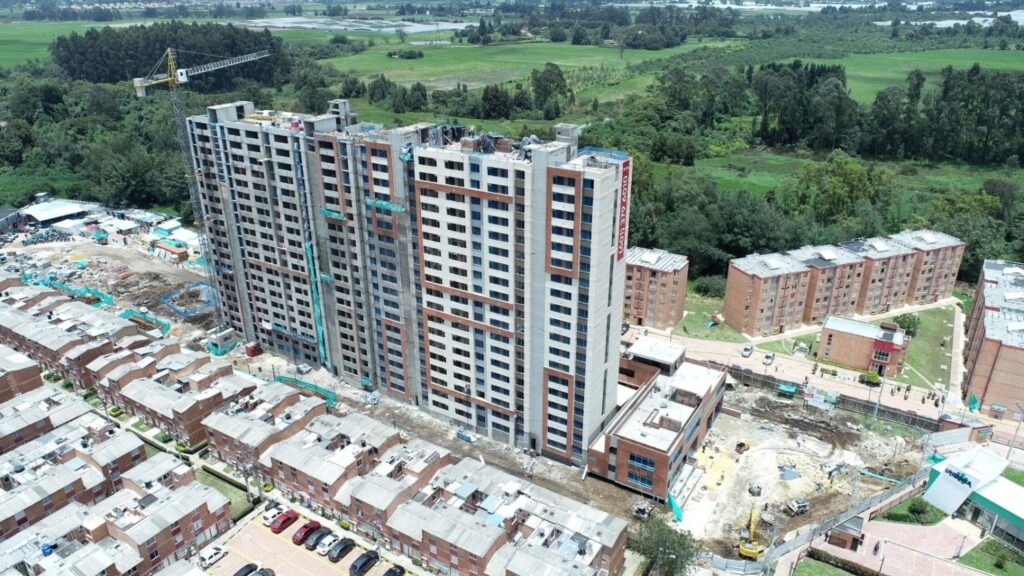
Downtime between pours is real. But it doesn’t have to be the norm. If you’re building mid-rise, slab, or residential projects and the schedule keeps slipping between cycles, maybe the issue isn’t your crew — maybe it’s the formwork.
We’d be glad to show you how FORSA is helping contractors cut hours, sometimes days, just by switching to a system built for speed, crane-handling, and consistency.